Real estate investing success hinges on understanding After Repair Value (ARV). ARV estimates a property's market value post-repairs/renovations, guiding investors' profit margins. Key considerations include structural integrity, location, interior aesthetics, and repair cost estimation. Successful flippers purchase undervalued properties, renovate them strategically, and resell at higher prices, fostering local market vibrancy while adhering to legal, ethical standards.
In the dynamic landscape of real estate investing, understanding After Repair Value (ARV) is paramount for maximizing returns. ARV, a critical metric, guides investors in assessing a property’s potential post-rehabilitation. However, accurately predicting ARV can be challenging due to variable market conditions and repair costs. This article delves into the intricacies of ARV, providing a comprehensive framework for real estate investors to navigate this complex calculation. By exploring proven strategies and leveraging data-driven insights, we empower investors to make informed decisions, ultimately enhancing their investment success in today’s competitive market.
- Understanding After Repair Value (ARV): Real Estate Investing Foundation
- Evaluating Property Condition: Key Factors for Accurate ARV Estimation
- The Art of Costing Repairs and Renovations: A Step-by-Step Guide
- Maximizing ARV Through Strategic Flipping: Success Stories & Strategies
- Legal and Ethical Considerations in ARV Investing: Protecting Your Investment
Understanding After Repair Value (ARV): Real Estate Investing Foundation

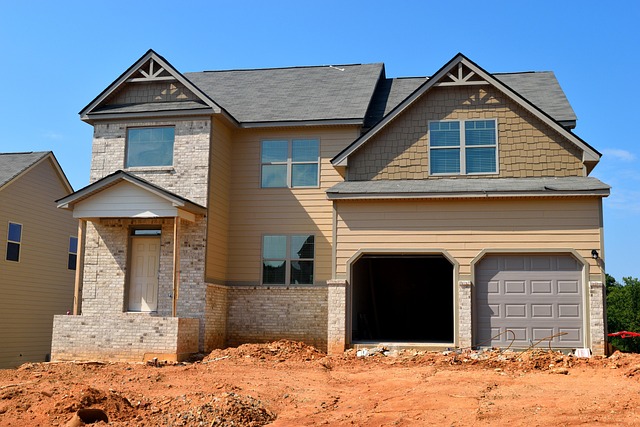
Understanding After Repair Value (ARV) is a cornerstone of successful real estate investing. ARV refers to the estimated market value of a property after it has been repaired, renovated, or otherwise improved. This figure is crucial for investors because it dictates the potential profit margin on a given project. For instance, consider a distressed property that requires significant repairs but offers substantial renovation potential. A thorough understanding of ARV enables investors to assess the viability of such projects and make informed decisions that align with their investment goals.
Real estate investing in this context involves strategic planning and risk management. Investors who specialize in buying undervalued properties, fixing them up, and selling at a profit are known as “flippers.” They rely heavily on ARV to calculate the cost of renovations and set sale prices. For example, West USA Realty, a leading real estate firm, assists investors in accurately assessing ARV by providing market insights and data-driven analysis. This helps flippers avoid overbudgeting and ensures they maximize their returns.
The process of determining ARV involves several steps: gathering comparable sales data, estimating repair costs, factoring in improvement values, and accounting for marketing and selling expenses. Real estate investors 1-3 times more successfully navigate this process with the right tools and expertise. Software applications designed for property analysis and local market trends can significantly enhance accuracy. By consistently monitoring ARV, investors can identify lucrative opportunities, adjust their strategies, and ultimately drive higher ROI in their real estate investing ventures.
Evaluating Property Condition: Key Factors for Accurate ARV Estimation

When evaluating properties for real estate investing, especially in competitive markets like today’s, accurately assessing a property’s condition is paramount to estimating its After Repair Value (ARV). Real estate investors, whether seasoned professionals or new to the game, must consider several key factors to ensure their investment decisions are informed and profitable. A thorough understanding of these factors can significantly impact ARV estimates and, consequently, the potential return on investment for real estate investing 1-3 times over a given period.
One of the primary aspects to examine is the property’s structural integrity. This includes assessing the foundation, roof, plumbing, electrical systems, and overall build quality. For instance, a home with a recent renovation that upgrades these critical components can command a higher ARV compared to one in need of extensive repairs. According to a recent study by the National Association of Realtors, properties showcasing well-maintained features and modern amenities typically see faster sales and higher selling prices. West USA Realty experts advise investors to look beyond the surface; a deep dive into structural soundness can reveal potential red flags or opportunities for cost-effective upgrades that enhance ARV.
Another critical factor is location. The neighborhood, local market trends, and nearby amenities significantly influence property value. For real estate investing in specific areas, consider crime rates, schools, employment opportunities, and the overall desirability of the community. A desirable location can justify a higher ARV even for properties requiring some cosmetic repairs. Conversely, an undervalued property in a vibrant neighborhood could present a lucrative opportunity for investors seeking to capitalize on rising real estate investing trends. By factoring in these micro-market dynamics, investors can make strategic decisions that align with their financial goals.
Finally, the condition of the interior and exterior aesthetics plays a significant role in ARV estimation. This includes everything from cosmetic repairs like painting and flooring to more substantial upgrades such as kitchen and bathroom renovations. According to industry professionals, a well-staged property can increase its perceived value by up to 10%. For instance, a fresh coat of paint, updated fixtures, and decluttering can significantly enhance the curb appeal and marketability of a home. West USA Realty suggests that investors not overlook the power of first impressions; a visually appealing property is more likely to attract interested buyers, leading to faster sales and potentially higher ARVs.
The Art of Costing Repairs and Renovations: A Step-by-Step Guide
Estimating costs for repairs and renovations is a crucial art for real estate investors, especially when aiming to maximize after repair value (ARV). This step-by-step guide aims to demystify this process, helping you make informed decisions in the competitive world of real estate investing. Firstly, conduct a thorough inspection, documenting existing damage and potential renovation needs. For instance, a property might require new flooring, updated fixtures, or structural repairs—each with varying cost implications.
Next, gather market data to benchmark repair expenses against comparable properties in similar conditions. This involves researching local building costs, labor rates, and material prices. Real estate investing 1-3 times higher in certain areas could impact these figures significantly. For example, a $50 per square foot renovation budget in a high-demand city might be more feasible than in an underserved market where materials and labor are cheaper. West USA Realty advises considering local factors to ensure realistic budgeting.
Break down the project into manageable tasks, estimating costs for each. This may include hiring professionals for specialized work or purchasing materials directly. Ensure you account for permit fees and any unexpected expenses that could arise. Accurate costing is a delicate balance; it’s about finding the sweet spot between a conservative budget and one that underestimates potential challenges. By combining thoroughness with local knowledge, real estate investors can confidently navigate repairs and renovations, ultimately enhancing their ARV strategies.
Maximizing ARV Through Strategic Flipping: Success Stories & Strategies

In the dynamic landscape of real estate investing, maximizing After Repair Value (ARV) is a strategic art that can significantly enhance returns. Strategic flipping, a popular approach among seasoned investors, involves purchasing undervalued properties, conducting thorough renovations, and then reselling them at a higher price. This method not only generates substantial profits but also contributes to the local real estate market’s vibrancy. West USA Realty, a leading brokerage firm, has witnessed numerous success stories where strategic flipping has transformed troubled properties into lucrative investments.
Successful flippers often employ data-driven strategies to identify potential ARV gains. Conducting thorough market analyses, comparing similar properties in the area, and understanding local trends are crucial steps. For instance, a recent trend in urban areas has been the conversion of older industrial spaces into modern lofts, which can command premium prices upon completion. Real estate investors who anticipate these shifts and act swiftly can secure lucrative deals. Additionally, focusing on high-demand neighborhoods or properties with minor cosmetic issues that can be easily rectified is a proven strategy to maximize ARV.
The key to successful flipping lies in meticulous planning and execution. This includes securing competitive financing, overseeing renovations efficiently, and ensuring the property meets current market standards. Many investors form partnerships or collaborate with contractors and designers to pool expertise and resources effectively. For real estate investing 1-3 times a year, this approach can lead to consistent profits and a robust portfolio. West USA Realty’s experts emphasize that while risks exist, a well-informed strategy, coupled with a keen eye for detail, can mitigate these risks and pave the way for substantial financial gains in the competitive real estate market.
Legal and Ethical Considerations in ARV Investing: Protecting Your Investment

In the realm of real estate investing, understanding After Repair Value (ARV) is paramount for safeguarding your investment. ARV, a strategy where properties are purchased, renovated, and resold at a profit, requires meticulous legal and ethical considerations. West USA Realty experts emphasize that these aspects are not merely technicalities but crucial safeguards to ensure the longevity of your investment journey.
One primary concern revolves around zoning regulations and permit compliance. Before diving into ARV projects, investors must verify that their intended renovations align with local laws and obtain necessary permits. Failure to do so can result in legal issues, fines, or even property seizures. For instance, a recent case in urban areas highlighted the risks of not adhering to strict historical preservation codes during renovation, underscoring the importance of thorough research and adherence to regulations.
Ethical considerations also play a significant role. Investors should maintain transparency throughout the process, especially when dealing with potential tenants or neighbors. Evictions and disruptive construction can foster community tensions. West USA Realty advises adopting inclusive practices, such as open communication and fair treatment of all stakeholders, to avoid legal disputes and maintain a positive reputation. Additionally, investors must ensure that renovation materials and methods meet safety standards, protecting both the property and its surroundings from environmental hazards.
To protect your investment, stay informed about market trends, local real estate laws, and zoning changes. Regularly consult with legal professionals specializing in real estate to navigate complexities. In the dynamic landscape of real estate investing, where ARV strategies are becoming increasingly popular, these considerations are not just options but essential practices that foster sustainable, profitable, and ethically sound investments.