Determining After Repair Value (ARV) is crucial for real estate investors. Key factors include price per square foot (variable based on location, property type, and condition), repair costs (1-3 times standard rates), market trends, and local values. Accurate assessments require meticulous inspections, comparative analysis ("comp analysis") of similar properties, and engagement with experienced contractors. Strategic renovations focused on high-return areas can boost ARV 10-20% in competitive markets, with costs reflecting the enhanced value.
In today’s competitive real estate market, understanding After Repair Value (ARV) is crucial for investors aiming to maximize returns. ARV, a key metric, refers to the estimated value of a property after necessary repairs and renovations, offering insights into its potential profitability. However, accurately assessing ARV can be challenging, as it involves intricate considerations like location, market trends, and repair costs. This article delves into the intricacies of calculating ARV, equipping readers with a comprehensive framework to determine price per square foot effectively. By the end, you’ll be equipped to make informed decisions, ensuring successful investments in the ever-evolving real estate landscape.
- Understanding After Repair Value (ARV): The Basics
- Factors Influencing ARV Calculation
- Evaluating Property Condition and Repairs
- Market Analysis for Price per Square Foot
- Maximizing ARV Through Strategic Renovations
Understanding After Repair Value (ARV): The Basics
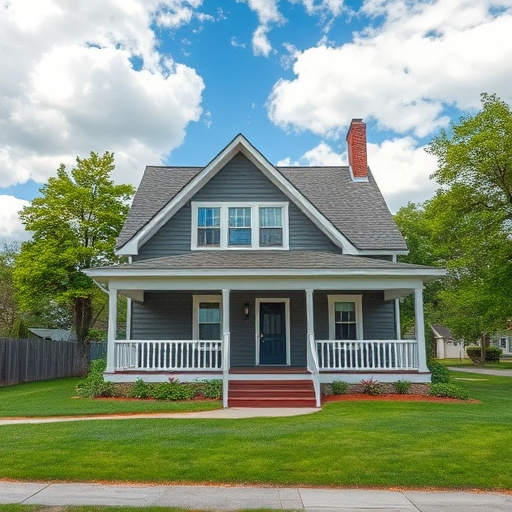
Determining After Repair Value (ARV) is a critical skill for investors and real estate professionals alike, offering a clear vision of potential profitability in a given market. ARV represents the estimated value of a property after necessary repairs and renovations are completed, allowing for a more accurate assessment of investment potential. Understanding this concept involves delving into the intricate relationship between repair costs, local market dynamics, and price per square foot.
The foundation of ARV lies in the analysis of comparable properties within the immediate vicinity. These comparables should reflect similar characteristics, such as age, size, condition, and recent sales prices. By comparing these properties to your target property, you can identify the average price per square foot in the area. This is a crucial step because it provides a benchmark for estimating the value of both unimproved and improved properties. For instance, if comparables show a price range of $200 to $300 per square foot, your ARV calculation will be significantly influenced by this range.
West USA Realty emphasizes that accurately estimating repair costs is paramount in ARV calculations. This involves considering not only the visible repairs but also those hidden within walls or beneath floors. For larger projects, it’s advisable to consult with contractors for detailed estimates. Remember, the price per square foot can vary significantly based on these factors, from 1-3 times the standard rate depending on location and property condition. By combining precise repair cost estimates with accurate market data, investors can make informed decisions about potential returns on renovation projects.
Factors Influencing ARV Calculation
The calculation of After Repair Value (ARV) is a multifaceted process that involves considering numerous variables. Accurately determining ARV is crucial for real estate investors and appraisers alike, as it directly impacts decision-making, investment strategies, and market analysis. Several factors influence ARV calculation, each playing a critical role in estimating the potential resale value of a property after repairs or renovations.
One of the primary factors is the price per square foot. This metric is essential as it provides a benchmark for comparing similar properties in the vicinity. The price per square foot can vary significantly depending on the location, property type, and market conditions. For instance, in urban areas with high real estate values, the price per square foot 1-3 times compared to suburban or rural regions. Investors should analyze historical data to identify trends and establish realistic expectations for ARV based on this factor alone.
Additionally, the extent of necessary repairs and renovation work is a significant influencer. Major renovations that transform the property’s condition and layout will naturally increase the ARV. Minor cosmetic changes, while improving aesthetics, may not have as substantial an impact. The cost of labor and materials for these repairs also comes into play; a comprehensive budget should be developed to account for potential expenses. West USA Realty emphasizes the importance of engaging experienced contractors to ensure accurate assessments and quality work, which can positively influence ARV outcomes.
Market trends and local property values are other critical considerations. Staying abreast of market fluctuations and understanding neighborhood dynamics is vital. For example, a property’s ARV might be enhanced if similar nearby listings have sold at premium prices, indicating strong demand in the area. Conversely, an overabundance of comparable properties for sale could put downward pressure on ARV expectations.
Evaluating Property Condition and Repairs

When assessing a property’s After Repair Value (ARV), evaluating its condition and necessary repairs is a critical step for investors. This process involves meticulously scrutinizing every aspect of the property, from structural integrity to cosmetic elements, to determine the most accurate ARV. A thorough inspection allows investors to identify potential red flags that could impact their return on investment (ROI) and makes it possible to set a competitive yet profitable asking price.
For instance, let’s consider a single-family home in a desirable neighborhood. The initial assessment should include checking for any signs of structural damage or necessary foundation repairs, which can significantly affect the price per square foot. According to recent market data, properties with solid foundational work command 10–20% more on average compared to those needing repairs. A competent inspector will also look into the roof’s condition, plumbing and electrical systems, interior finishes, and any necessary updates to kitchen or bathrooms—all of which can influence both the ARV and price per square foot by 5–15%.
West USA Realty experts suggest performing a detailed comparison with similar properties in the area that have recently sold. This “comp analysis” considers not just the property’s age and size but also its condition, features, and amenities to arrive at a realistic ARV. By factoring in potential repair costs and comparing them against comparable sales prices, investors can set an accurate asking price, ensuring they maximize their investment while offering value to prospective buyers. For instance, if a property needs $50,000 worth of repairs to achieve top market condition, the ARV should reflect this, potentially reducing the price per square foot by 1-3% compared to similar, well-maintained properties in the area.
Market Analysis for Price per Square Foot

The market analysis for price per square foot is a critical component when assessing After Repair Value (ARV). Understanding the regional dynamics of pricing is essential for investors looking to maximize their returns. In many markets, the price per square foot plays a significant role in determining the potential profitability of a property flip or renovation project. For instance, in urban centers like Phoenix, Arizona—a thriving real estate market according to West USA Realty experts—the average price per square foot can range from $200 to $400 depending on the neighborhood and property type. This regional disparity underscores the importance of local knowledge when conducting an ARV assessment.
To accurately gauge ARV, investors should consider historical price trends, current market conditions, and future projections. For example, a property that has undergone significant renovation might command a higher price per square foot than its neighboring unimproved properties. Analyzing comparable sales within a given area provides valuable insights into what buyers are willing to pay. According to recent data, properties in well-established suburbs often sell for $150-$200 per square foot, while luxury listings in urban areas can reach upwards of $500 per square foot. By comparing these figures, investors can estimate the potential ARV and decide on the most profitable repair and renovation strategies.
Expert advice suggests that focusing solely on the price per square foot may oversimplify a complex analysis. Other factors like property condition, location, and market demand also influence ARV. For instance, a distressed property in a high-growth area might present a unique opportunity due to its below-market price, even if the price per square foot is lower than average. Conversely, an otherwise desirable property located in a stagnant market may not yield the expected returns despite a competitive price per square foot. Therefore, a holistic approach that incorporates multiple data points and industry insights is crucial for making informed ARV decisions.
Maximizing ARV Through Strategic Renovations
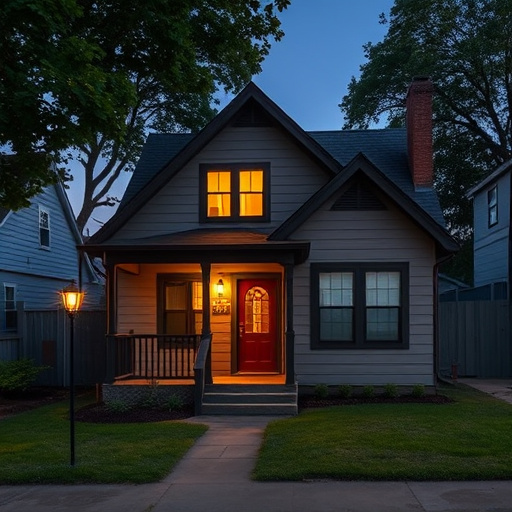
Maximizing After Repair Value (ARV) through strategic renovations is a key strategy for investors looking to turn a profit in today’s competitive real estate market. Understanding the concept of price per square foot is paramount. ARV is determined by evaluating a property’s potential after repairs, taking into account market conditions and comparable sales. A straightforward formula for success: identify properties with repair needs that, when addressed, can significantly increase their value at a reasonable cost.
For instance, consider a fixer-upper in a burgeoning neighborhood where the average price per square foot is $200. With thoughtful renovations focusing on high-return areas like kitchen updates and bathroom remodels, investors can potentially add 10-20% to the property’s value after repairs. This translates to a substantial return on investment—a win for both the investor and the local market. West USA Realty experts recommend prioritizing improvements that not only enhance curb appeal but also cater to current buyer preferences.
Data from recent trends shows that properties undergoing strategic renovations often fetch 1-3 times the price per square foot compared to similar unrenovated homes in the same area. This premium pricing is a testament to the impact of thoughtful remodeling. By balancing cost with potential value, investors can ensure their ARV strategies are both effective and profitable. Practical advice includes consulting with local real estate professionals who understand market dynamics, as well as engaging reputable contractors for accurate cost estimates and high-quality workmanship.