
Real estate investors seeking commercial property financing should understand DSCR loans' fundamentals and eligibility criteria. This involves a strong, consistent rent roll with diverse tenants and long-term leases. Lenders assess financial health through accurate financial reporting, including rent rolls, financial statements, tax returns, and appraisals. Key metrics like occupancy rates and Net Operating Income (NOI) are crucial for loan approval. Structured rent roll templates facilitate evaluation, enhancing transparency. Underwriters review comprehensive financial records to assess stability, profitability, and risk, securing financing in the dynamic commercial real estate market.
In the dynamic landscape of commercial real estate, understanding DSCR loan requirements is paramount for both lenders and borrowers. As a crucial metric, the Debt Service Coverage Ratio (DSCR) evaluates a property’s ability to generate sufficient income to cover its debt obligations. Given the volatility of market conditions, accurately assessing DSCR is essential to mitigate risk and ensure sound investment decisions. This article delves into the key components that define DSCR loan requirements, providing insights into how lenders navigate the intricate process of evaluating rental income and expenses, particularly focusing on the critical role of rent roll in determining financial viability.
- Understanding DSCR Loan Fundamentals and Eligibility
- Analyzing Rent Roll and Financial Health for Loan Qualification
- Navigating Underwriting Process: Step-by-Step Guide to Approval
Understanding DSCR Loan Fundamentals and Eligibility

Understanding DSCR Loan Fundamentals and Eligibility is a crucial step for any real estate investor looking to secure financing for their commercial properties. A Debt Service Coverage Ratio (DSCR) loan is a type of financing that assesses a borrower’s ability to cover the debt associated with their property through the income generated from that property, specifically the rent roll. This method provides lenders with a clear picture of the borrower’s cash flow stability and risk profile.
The primary requirement for a DSCR loan is a strong and consistent rent roll. Lenders will examine historical rent data to ensure its reliability and predictability. A well-maintained rent roll template, detailing each tenant’s lease terms, rental rates, and payment history, can significantly enhance an applicant’s chances of approval. For instance, a property with a diverse tenant mix and long-term leases is often seen as less risky by lenders. In the commercial real estate market, where vacancy rates can impact profitability, a solid DSCR is essential to securing favorable loan terms.
West USA Realty emphasizes the importance of accurate financial reporting for investors aiming to secure DSCR loans. Lenders will use this data to calculate the DSCR ratio, which compares the property’s net operating income (NOI) to its debt service. A higher DSCR indicates greater coverage of debt obligations and is typically favorable for borrowers. For example, a DSCR of 1.2 or above is generally considered strong, suggesting that the property generates 20% more income than required to cover its debt payments. This financial metric is crucial in today’s competitive lending environment, where lenders are increasingly scrutinizing risk profiles before extending loans.
To be eligible for a DSCR loan, borrowers must demonstrate not only a robust rent roll but also a comprehensive understanding of their property’s financial health. Lenders will review financial statements and tax returns to cross-reference the reported income with actual rental collections. Maintaining meticulous records and adhering to accounting best practices is essential. Additionally, lenders may require appraisals to ensure the property’s value aligns with the loan amount sought. This stringent process ensures that DSCR loans remain a reliable financing option for real estate investors, fostering growth while mitigating risk in the dynamic commercial real estate market.
Analyzing Rent Roll and Financial Health for Loan Qualification

When evaluating a DSCR (Debt Service Coverage Ratio) loan, analyzing a borrower’s rent roll and financial health is paramount for qualification. The rent roll, often in the form of a detailed template, offers a comprehensive view of rental income streams. This includes data on units occupied, unoccupied, and their respective rents, providing a clear picture of the property’s performance. Experts at West USA Realty emphasize that a robust rent roll should be up-to-date, accurately reflecting market conditions to ensure reliable financial projections.
A crucial step is benchmarking the rent roll against historical data and local market trends. This process involves comparing current rental rates with past performance and industry standards. For instance, a property manager might track average rents over the past year, identifying if rates are rising or falling in their geographic niche. Such analysis not only validates the rent roll’s accuracy but also forecasts potential revenue streams, which is vital for loan qualification.
Financial health assessment goes beyond the rent roll. Lenders must scrutinize cash flow statements, balance sheets, and income statements to gauge stability. Key metrics include occupancy rates, operating expenses, and net operating income (NOI). A healthy NOI indicates a property’s ability to cover debt payments comfortably. For instance, a commercial lender might require an NOI of at least 15% for DSCR loan approval, ensuring the borrower has sufficient financial reserves to meet debt obligations.
Utilizing a structured rent roll template facilitates this evaluation process. It allows lenders and analysts to efficiently capture and analyze critical data points, streamlining the qualification process. West USA Realty recommends maintaining detailed records, including occupancy rates over time, to demonstrate a property’s consistency or growth in performance. This proactive approach enhances the borrower’s position, ensuring their financial health is transparently represented during loan discussions.
Navigating Underwriting Process: Step-by-Step Guide to Approval
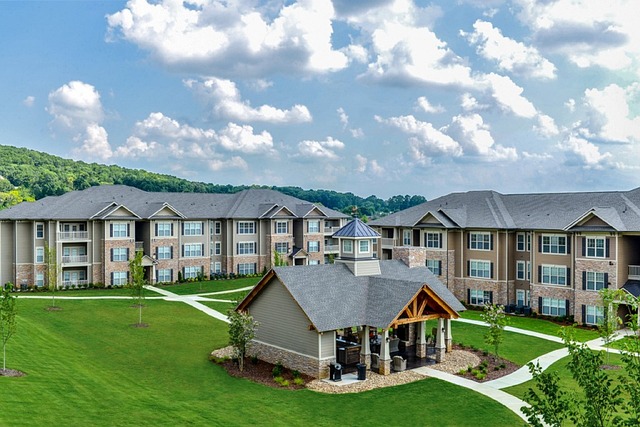
Navigating the underwriting process for a DSCR (Debt Service Coverage Ratio) loan requires a clear understanding of the steps involved and the documentation needed. This guide provides a step-by-step approach to help investors in commercial real estate secure financing, focusing on the key elements that constitute a strong application.
First, assemble all necessary financial records, including historical and projected rent rolls. A well-organized rent roll template should be used to ensure accuracy and ease of review for underwriters. West USA Realty recommends using a standardized template to streamline the process, especially for multi-property portfolios. Include details such as monthly rental income, lease terms, and vacancy rates. For instance, consider a 10-property portfolio with an average monthly rent of $2,500 per unit; this data is crucial for calculating the DSCR.
Next, prepare detailed operating statements, often referred to as P&L statements, showcasing the property’s financial performance. These should cover at least two years of historical data and include any assumptions made for projected income and expenses. Underwriters will scrutinize these statements to gauge the stability and profitability of the investment. For example, a property with consistent occupancy and solid rental income trends will be more attractive to lenders.
Additionally, assemble balance sheets and cash flow projections. These documents provide a snapshot of the borrower’s financial health and future prospects. Ensure all financial information is up-to-date and accurately reflects the market conditions relevant to each property. Lenders will evaluate these documents to assess the risk associated with the loan and determine the appropriate loan-to-value ratio.